Comminution & Grinding Systems

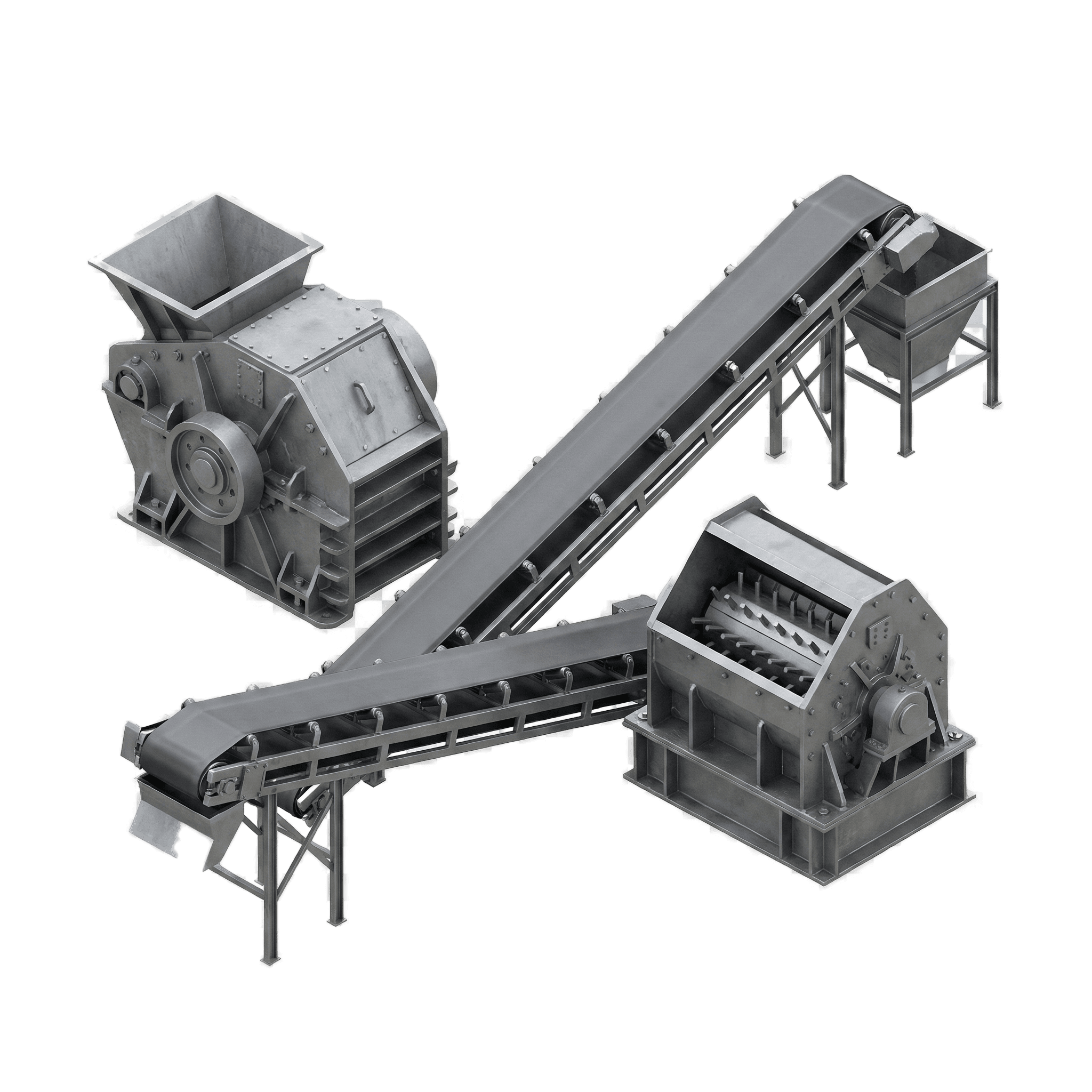
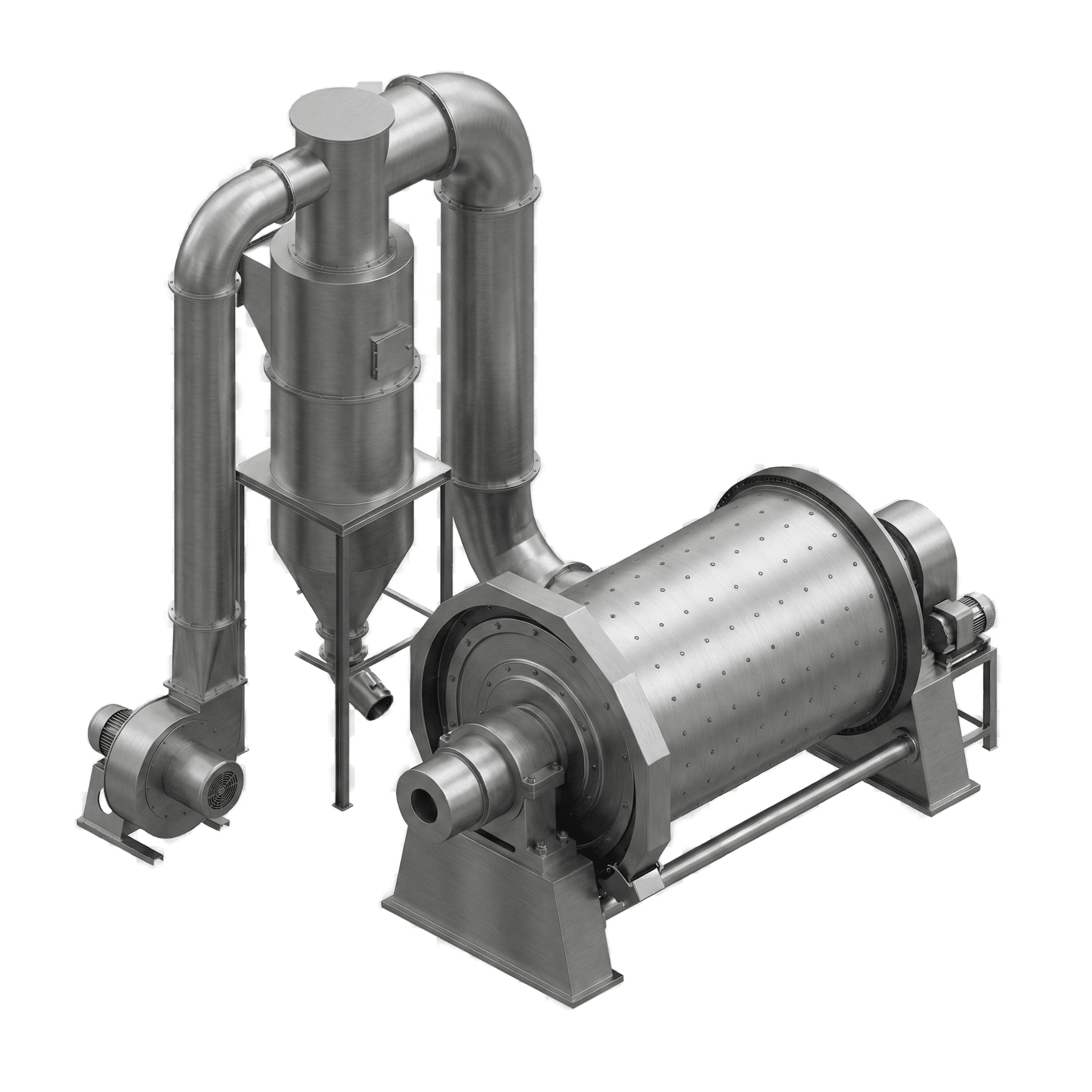
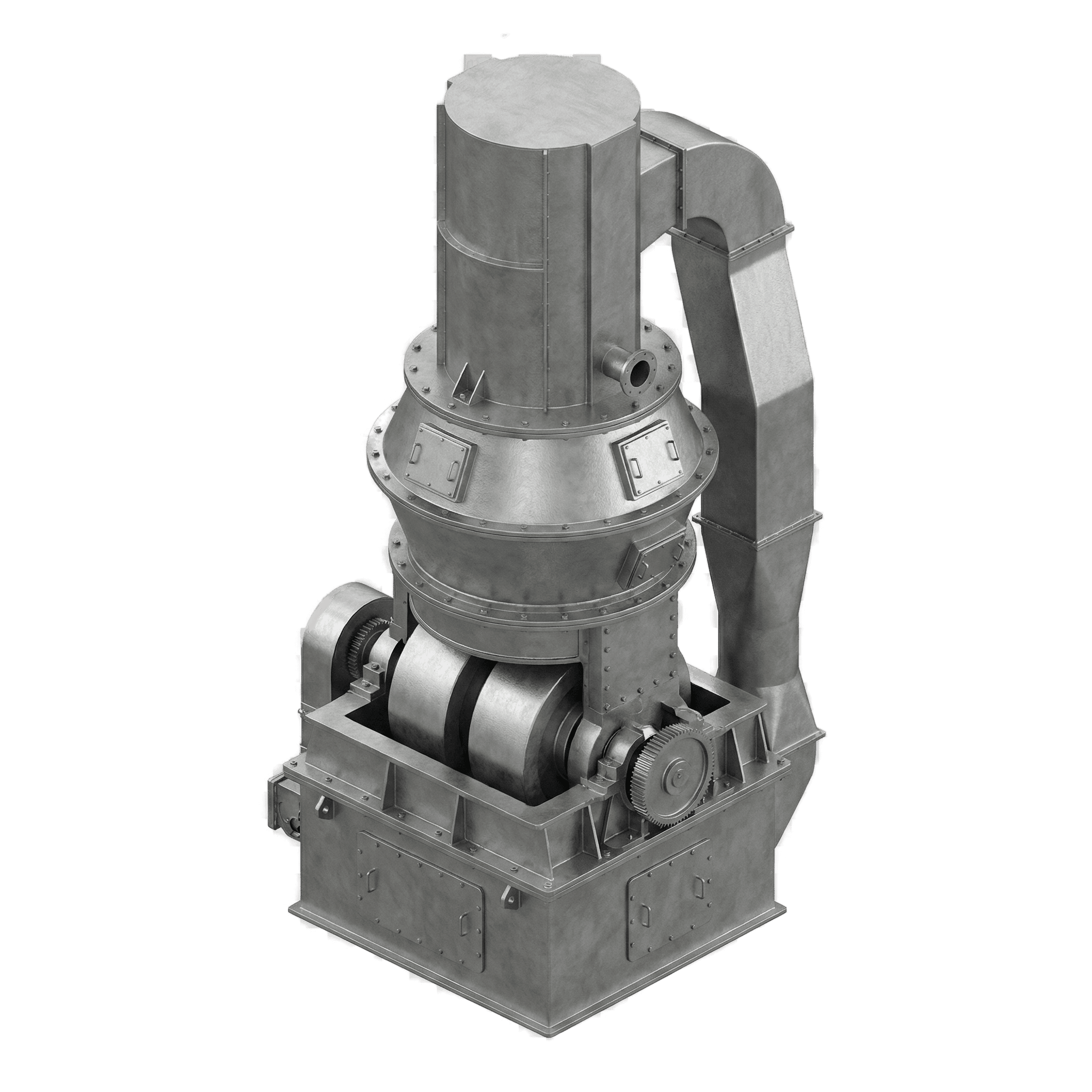
Modern cement manufacturing depends on controlled particle size reduction. From primary crushing to finish grinding, Oswal Engineers delivers complete comminution and grinding systems that optimize plant efficiency, product quality, equipment reliability, and energy use through intelligent process integration, precision mechanical engineering, and reliable flow control.
  • 4 precision-engineered systems within this domain.
Comminution & Grinding Systems

Integrated Grinding Engineering

Engineering Philosophy

Grinding efficiency is not achieved by selecting a single machine. It is achieved by engineering the complete process.

  • Feed particle size distribution and feed consistency
  • Material flow characteristics, bulk density, and moisture content
  • Mechanical alignment, structural rigidity, and wear behaviour

Engineering Objectives

Every comminution system is engineered to reduce energy consumption while maximizing throughput, stability, and equipment life.

  • Lower specific energy consumption and stable mill loading
  • Controlled particle size distribution and consistent product fineness
  • Reduced equipment wear and maintenance frequency

Complete Comminution Architecture

Our engineering scope spans the complete size-reduction process, from raw-material preparation through finish grinding. Each discipline is engineered to function as part of a unified process ecosystem.

  • Crushing and feed conditioning
  • Pre-crushing, raw grinding, and cement grinding systems
  • Material flow, mechanical interfaces, and structural engineering

Complete process ecosystems — not isolated machines.

Operational Advantages

Grinding Process Integration

Grinding is an integrated mechanical and process system. Stable operation depends on the interaction of feed preparation, material transport, structural engineering, airflow, and separator performance.

  • Feed hoppers, regulation systems, and mill inlet assemblies
  • Transfer chutes, expansion joints, and gas-duct interfaces
  • Rotary airlock interfaces and false-air sealing systems
  • Structural support frameworks and material-discharge systems

Raw & Cement Grinding Systems

Raw grinding converts limestone and corrective materials into homogeneous raw meal with controlled fineness and stable chemistry. Finish grinding determines final cement quality, including Blaine fineness, setting characteristics, strength development, and product consistency.

  • Uniform feed distribution, moisture management, and airflow balance
  • Stable material flow and reliable separator operation
  • Controlled clinker feeding and uniform additive distribution
  • Stable mill loading and efficient material transport

Flow, Mechanical & Air Engineering

Material flow is engineered—not left to chance. Every transfer point, mechanical interface, and gas boundary influences plant performance.

  • Particle trajectory, flow velocity, and dead-zone elimination
  • Dust-tight sealing, vibration control, and alignment precision
  • False-air control, process-fan interfaces, and thermal balance
  • Wear-resistant liners, fatigue-resistant structures, and thermal expansion accommodation

Engineering Outcome

  1. Digital & Lifecycle Engineering

    Future-ready grinding systems extend beyond mechanical engineering. Digital intelligence enables proactive optimization, while maintainability preserves availability throughout the plant lifecycle.

  2. Integrated Process Benefits

    A properly engineered comminution and grinding system improves both plant performance and lifecycle economics.

  3. Why Oswal Engineers

    Oswal Engineers combines decades of cement process engineering expertise with precision manufacturing to deliver complete process ecosystems—not isolated components.

Interested in This Technology?

Contact our team to discuss your specific requirements.